Open Notebooks: What Happens When a Design Studio Lets Clients See the Working Out
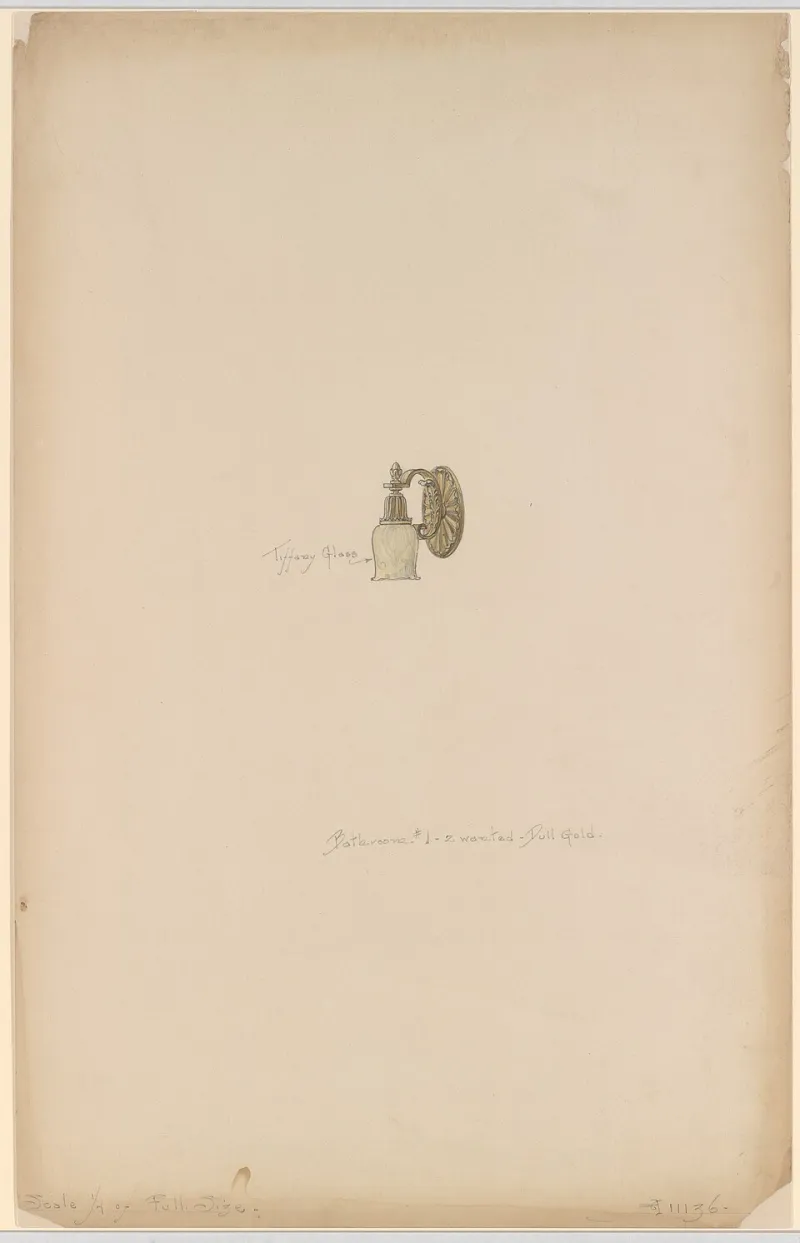
Photo: Louis Comfort Tiffany / Tiffany Studios / Tiffany Studios / Tiffany Studios, CC0, via Wikimedia Commons
Portfolio pages are the shop window. They are clean, considered and flattering to everyone involved. They show the final logo on a lovely tote bag and the website looking calm on a large monitor. What they rarely show is the bit clients actually pay for: the working out.
At Holm & Design, we have been publishing more of that working out. Not the messy client folder, and not a data dump. Curated process notes: the questions we asked, the routes we rejected, the research themes, the moment a decision became obvious. It is a small shift, but it changes the conversation.
The problem with a perfect portfolio
A portfolio says, 'look what we made'. That is useful, but it is not the whole trust story. UK clients are savvy. They have seen moodboards. They have been shown three logo options with no explanation. They know a polished case study can hide a hundred compromises.
When a studio only shows the endpoint, clients have to guess how the work happened. Then, in the middle of a real project, they see a rough route or an unresolved question and panic. They wonder if the process is falling apart. In fact, that is often the process working.
What we mean by process content
We are not suggesting you publish raw client decks or every scribble on the wall. We mean edited artefacts that teach something. A page of early thumbnails with a note about what we were testing. A tone-of-voice spectrum showing where a brand sits and why. A rejected route with the reason it was rejected. A short decision log: problem, options, criteria, choice.
At Holm & Design, we use a simple four-part note for project write-ups: the brief in plain English, what we heard from research, the routes we explored, and why we chose the one we did. We redact names, numbers and anything commercially sensitive. We ask permission. We publish after launch, or earlier if the client is comfortable. The result is not a reality-TV edit of the studio. It is a clear view of the thinking.
Why clients respond
In-house teams often need help explaining design decisions to people who were not in the room. A process post gives them language. It shows that a colour choice was tested for contrast, not just picked from a moodboard. It shows that a name was checked against competitors, not just liked by the founder.
There is also a filtering effect. Clients who want a quick logo and nothing else may look elsewhere. Clients who want a considered partner tend to lean in. That is good for everyone.
The risks, and how to handle them
Client IP. This is the big one. Do not publish unreleased work, client names, sales data, proprietary imagery or anything covered by an NDA. Build a simple process-content clause into your agreement. Show drafts to the client before they go live. When in doubt, anonymise: 'a Yorkshire manufacturer' or 'a UK health charity' can work perfectly well.
Looking indecisive. A pile of scribbles with no narrative looks chaotic. A curated set of options with clear criteria looks rigorous. The difference is the edit. Always show the decision, not just the mess.
Giving away the secret sauce. Process is not the secret. Judgement, taste and execution are. Publishing how you think can make you more credible, not less.
Time. Start small. One post per project. Three images. Four hundred words. A short caption on LinkedIn. You do not need a content team.
Our open-notebook model
We treat process content as part of the project, not an afterthought. During the work, we keep a running note of decision points. After launch, we turn one decision into a short story: what we tried, what we learned, what we chose. We include at least one rejected route, because that is where the thinking lives. We add a practical lesson that another brand team could use.
It has made our portfolio more useful and our workshops more grounded. Clients arrive with better questions. They understand that a brand refresh is a series of choices, not a single reveal.
What to publish this month
Pick a recent project. Ask: what was the hardest decision? Write four hundred words about it. Show two routes you did not choose and explain why. Add one thing you would do differently. Get client sign-off. Publish it next to the polished case study.
A portfolio says, 'look what we made'. Process says, 'look how we think'. For UK clients in 2026, that is often the reassurance they are looking for. Show the mess, but show the method.